



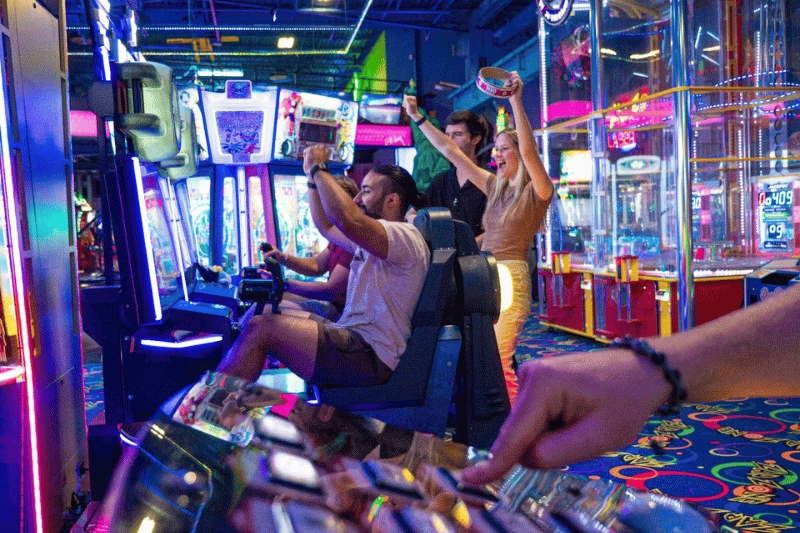



Entertainment preferences have shifted over the years, with people looking for experiences that feel active, social, and engaging. Game based activities have stepped into that role by offering something more meaningful than passive entertainment. Instead of sitting and watching, participants become part of the experience, creating moments that feel personal and memorable.
One of the biggest reasons these activities continue to grow in popularity is their flexibility. They work just as well for small groups as they do for larger gatherings. Friends can drop in casually, families can spend hours together, and organized groups can enjoy structured play without feeling restricted. This adaptability makes game focused outings appealing for many different occasions.
A Balance Between Challenge and Accessibility
The best games are designed to be easy to start but rewarding to continue. Players can jump in quickly without feeling overwhelmed, yet still experience a sense of challenge that keeps them engaged. This balance is important for mixed groups where experience levels may vary.
Games that offer multiple difficulty levels or open ended play styles allow participants to choose how competitive they want to be. Some may focus on improving scores or mastering mechanics, while others simply enjoy the experience itself. Environments built for group friendly play often reflect this balance by offering a mix of fast paced and skill focused options.
This approach keeps everyone involved and prevents frustration. It also encourages repeat visits, as players feel motivated to return and improve or try something new.
The Social Side of Playing Together
Beyond gameplay, the social atmosphere plays a major role in why people choose these experiences. Shared activities naturally encourage conversation, laughter, and teamwork. Even friendly competition brings people closer by creating shared memories and inside jokes.
Open layouts and communal areas support this interaction by allowing groups to move freely between games and rest spaces. Venues that support team nights and celebrations often design their spaces to keep groups together rather than separating them. This makes the experience feel more connected and less fragmented.
Social play also removes pressure. People can participate at their own pace, step back to watch others, or jump back in when ready. This flexibility creates a relaxed environment that appeals to both outgoing and reserved personalities.
Blending Nostalgia With Modern Design
Many people are drawn to games that feel familiar while still offering something new. Classic concepts are often updated with modern visuals, responsive controls, and digital features that enhance the experience. This blend of nostalgia and innovation makes games accessible while keeping them exciting.
Players enjoy recognizing familiar mechanics but discovering new twists that challenge their expectations. Features like digital scoreboards add an extra layer of engagement by tracking progress and encouraging friendly competition. These updates keep traditional ideas relevant and appealing to newer generations.
At the same time, long time fans appreciate the care taken to preserve what made those games enjoyable in the first place. This balance helps bridge age gaps and keeps experiences inclusive.
Variety That Keeps Experiences Fresh
One of the strongest advantages of game based entertainment is variety. Players can move between different styles of play without leaving the space. This prevents boredom and allows groups to tailor the experience to their mood.
Spaces known for classic cabinets and modern challenges demonstrate how variety supports longer visits and repeat interest. When people know there are multiple options available, they are more likely to explore and stay engaged.
Variety also supports creativity. Players feel encouraged to try new things, learn different skills, and challenge themselves in new ways. This sense of discovery is a big part of what keeps these experiences exciting.
Why These Experiences Continue to Stand Out
Game based activities succeed because they combine movement, interaction, and shared enjoyment. They create opportunities for connection without forcing structure or competition. People leave feeling energized rather than drained.
As entertainment continues to evolve, experiences that prioritize participation and social connection will remain popular. Games offer a simple but powerful way to bring people together and turn ordinary days into something worth remembering.