


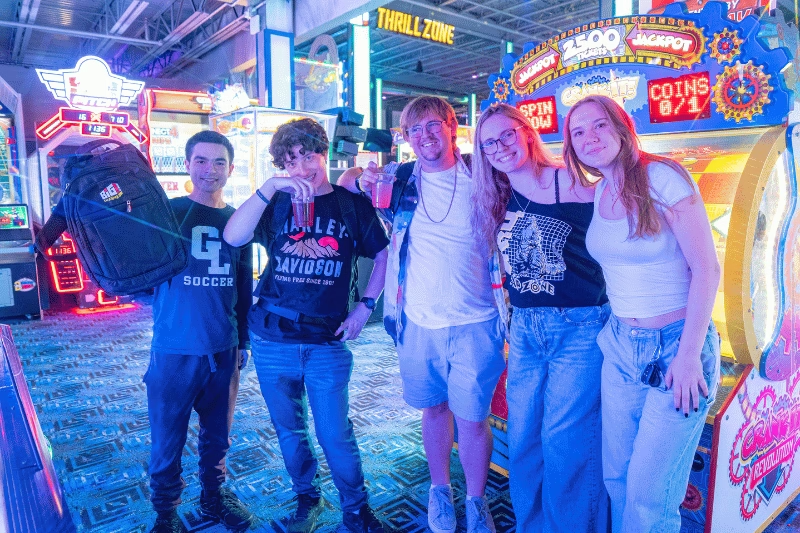
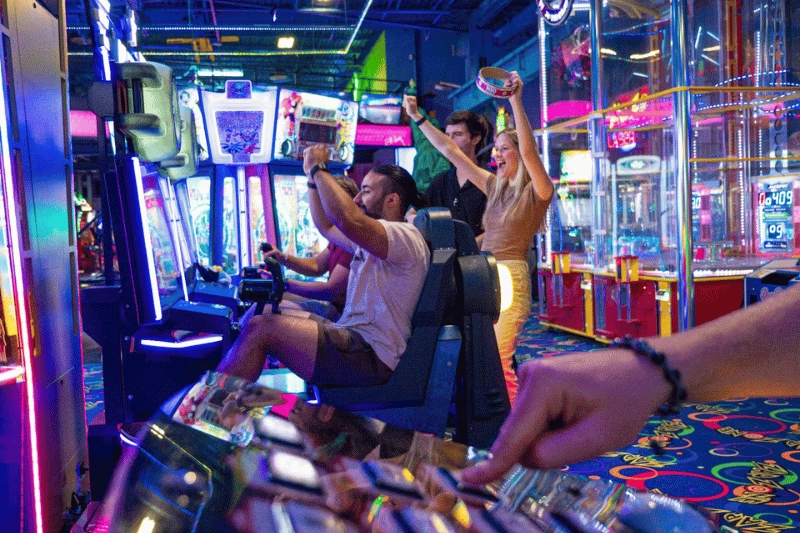



Indoor fun environments have evolved into places where play feels intentional rather than accidental. Instead of offering a single attraction, these spaces are designed to support a wide range of experiences that encourage exploration, movement, and connection. Visitors are not guided through a strict path. Instead, they are given freedom to choose how their time unfolds, which creates a sense of ownership over the experience.
What makes these environments appealing is their ability to adapt to different moods. Some guests arrive ready for action, while others prefer to ease into play gradually. The layout and variety of attractions allow both approaches to coexist. This flexibility is especially valuable forFA for groups with mixed interests or age ranges, where everyone can find something enjoyable without compromise.
Play That Encourages Participation Instead of Observation
A key strength of modern entertainment spaces is their focus on participation. Rather than watching from the sidelines, guests are encouraged to step into the experience. Games are designed to be intuitive, lowering barriers to entry so first time players feel confident joining in. This approach removes pressure and replaces it with curiosity and excitement.
Many attractions rely on physical engagement to keep players present and focused. Quick reactions, movement, and coordination are rewarded, creating moments of achievement that feel earned. Areas inspired by hands on gaming challenges naturally draw crowds because they offer immediate feedback and visible progress. These experiences often spark friendly competition and spontaneous laughter.
As players rotate between activities, energy stays high without becoming overwhelming. Short bursts of play followed by moments of rest help maintain enthusiasm and prevent fatigue. This rhythm makes longer visits more enjoyable and encourages guests to explore more of what the space has to offer.
Environments Built for Social Connection
Beyond games themselves, the surrounding environment plays a major role in shaping the experience. Open layouts, shared activity zones, and comfortable gathering areas make it easy for people to interact. Guests frequently pause to watch others play, share tips, or celebrate small victories together. These moments of connection are just as important as the activities themselves.
Entertainment centers influenced by community focused play spaces are particularly effective at bringing people together. They create natural meeting points where conversations start organically. Whether it is families reconnecting or friends catching up, play becomes a shared language that bridges gaps.
Food and refreshment areas further enhance this social dynamic. Taking a break to eat or talk allows groups to reset before diving back into activities. These pauses often turn into highlights of the visit, filled with stories, jokes, and plans for the next round of play.
Variety That Keeps Experiences Fresh
One of the reasons guests return to indoor fun venues is the promise of variety. Instead of repeating the same activity, visitors can switch between different types of play throughout their visit. Some games emphasize speed and reflexes, while others reward accuracy or strategy. This range prevents boredom and keeps engagement high.
Spaces inspired by multi experience entertainment destinations excel at offering this diversity. Guests are encouraged to explore, experiment, and discover new favorites. Even repeat visitors often find something they overlooked during previous visits, which adds to the sense of novelty.
This variety also supports different comfort levels. Guests can choose intense experiences or opt for lighter activities depending on their energy and preferences. Having control over this balance makes the overall experience more enjoyable and inclusive.
Why These Spaces Continue to Thrive
Indoor fun venues succeed because they meet modern expectations for entertainment. People want experiences that feel active, social, and memorable. These spaces deliver by combining movement, interaction, and choice in one environment. They offer a break from routine and a chance to be fully present.
As lifestyles become increasingly screen focused, hands on play provides something refreshing. It encourages people to engage with their surroundings and with each other. That combination of activity and connection is what keeps these experiences relevant and appealing.